


Description
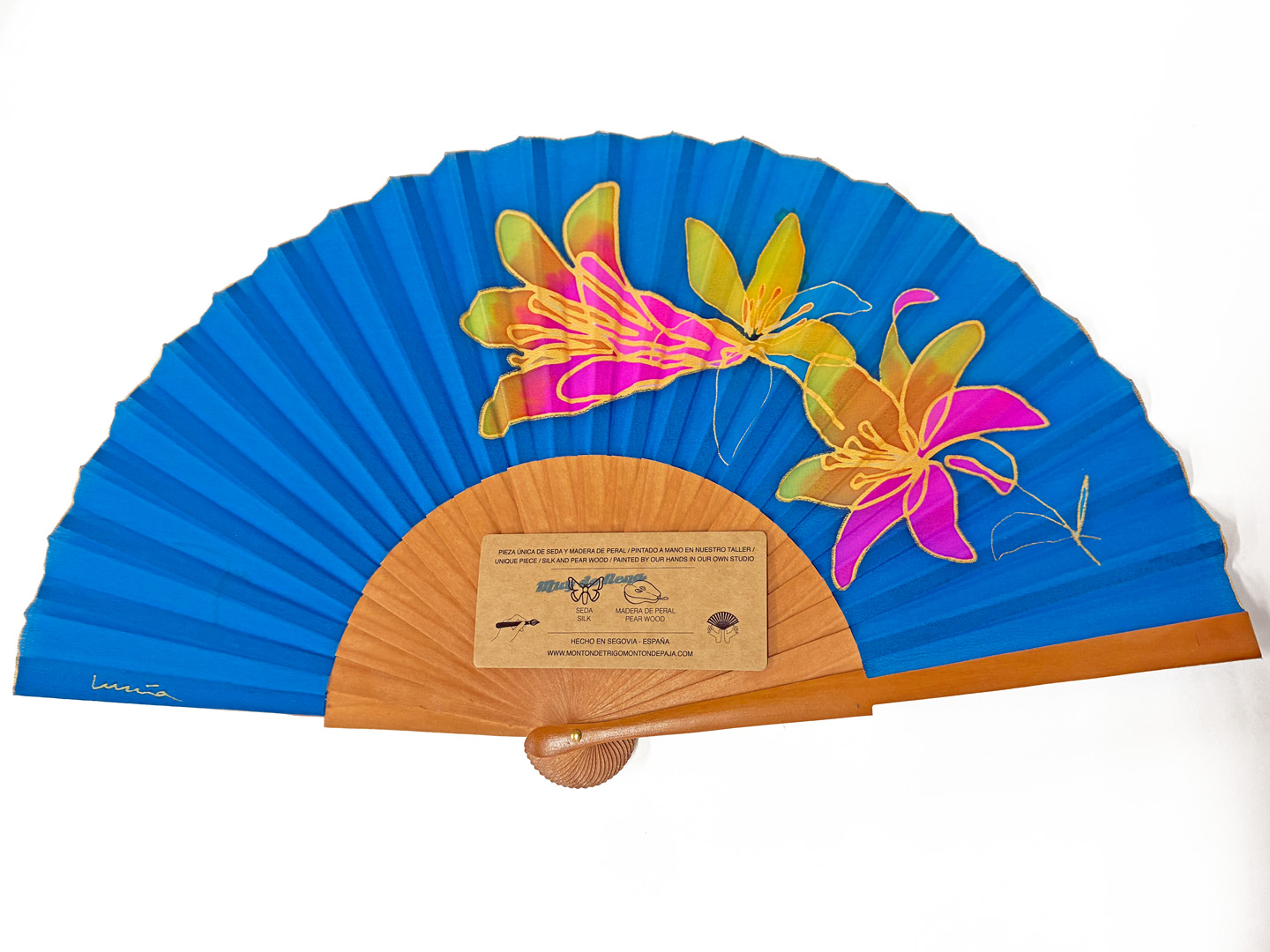
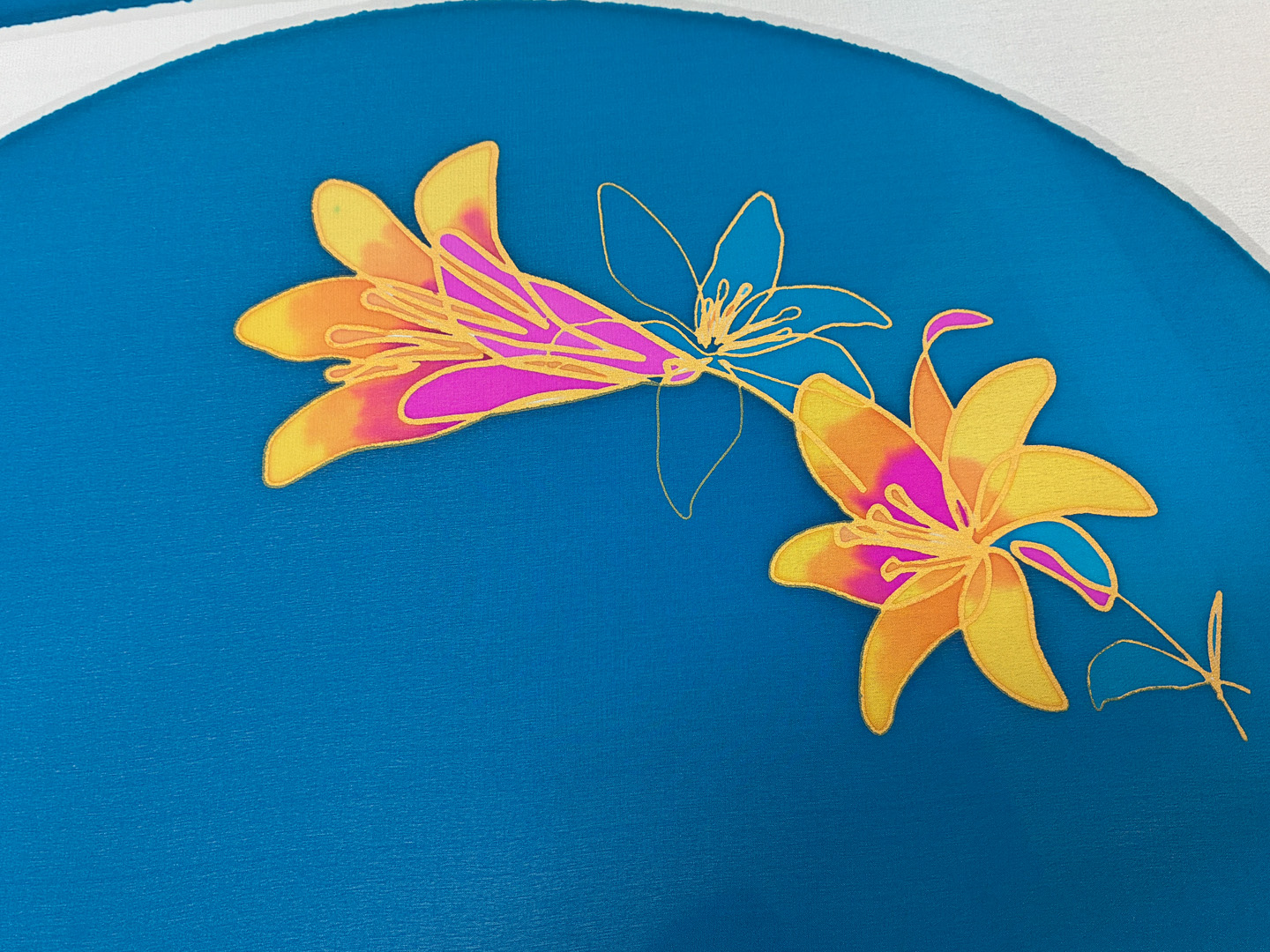
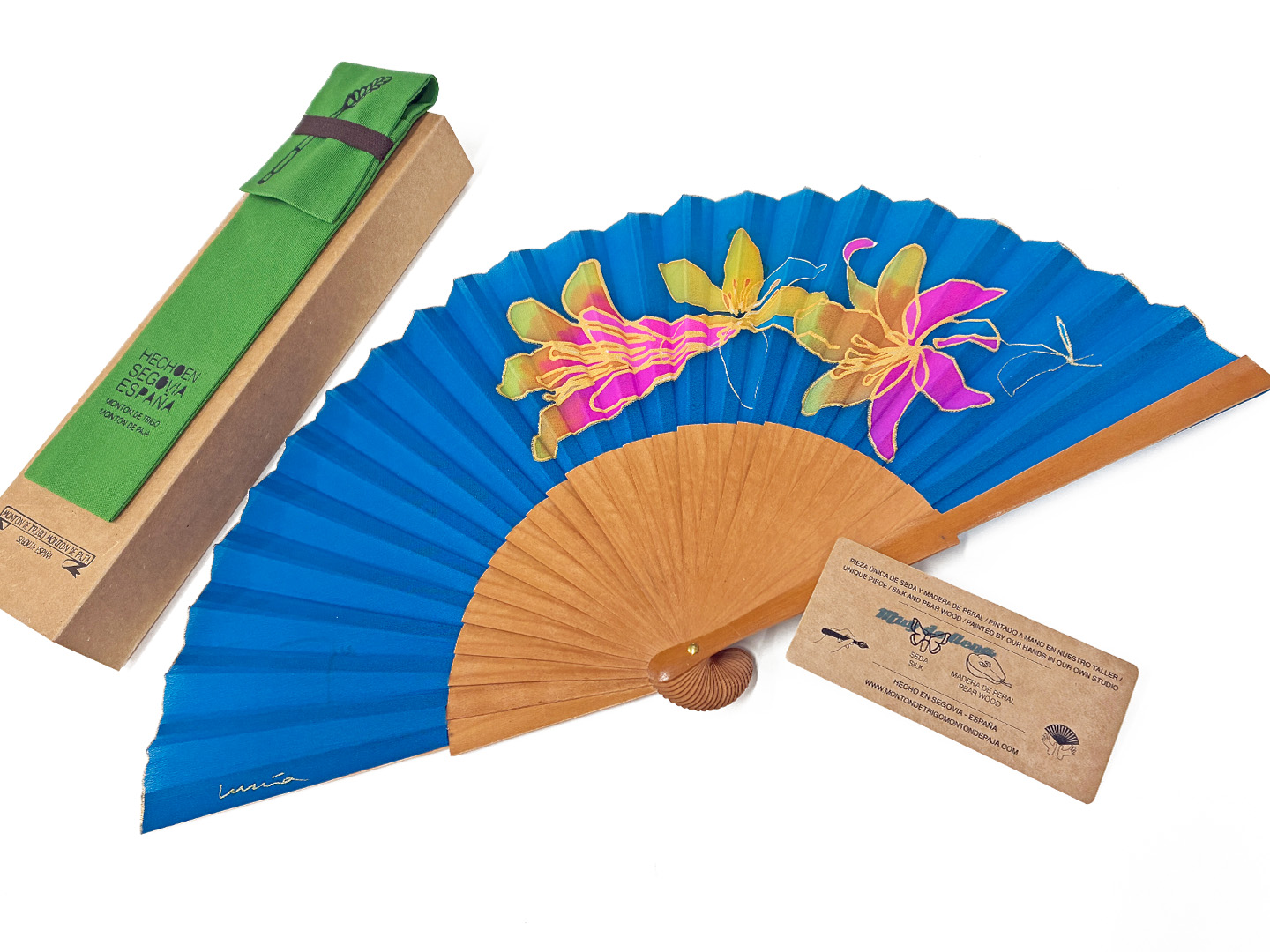
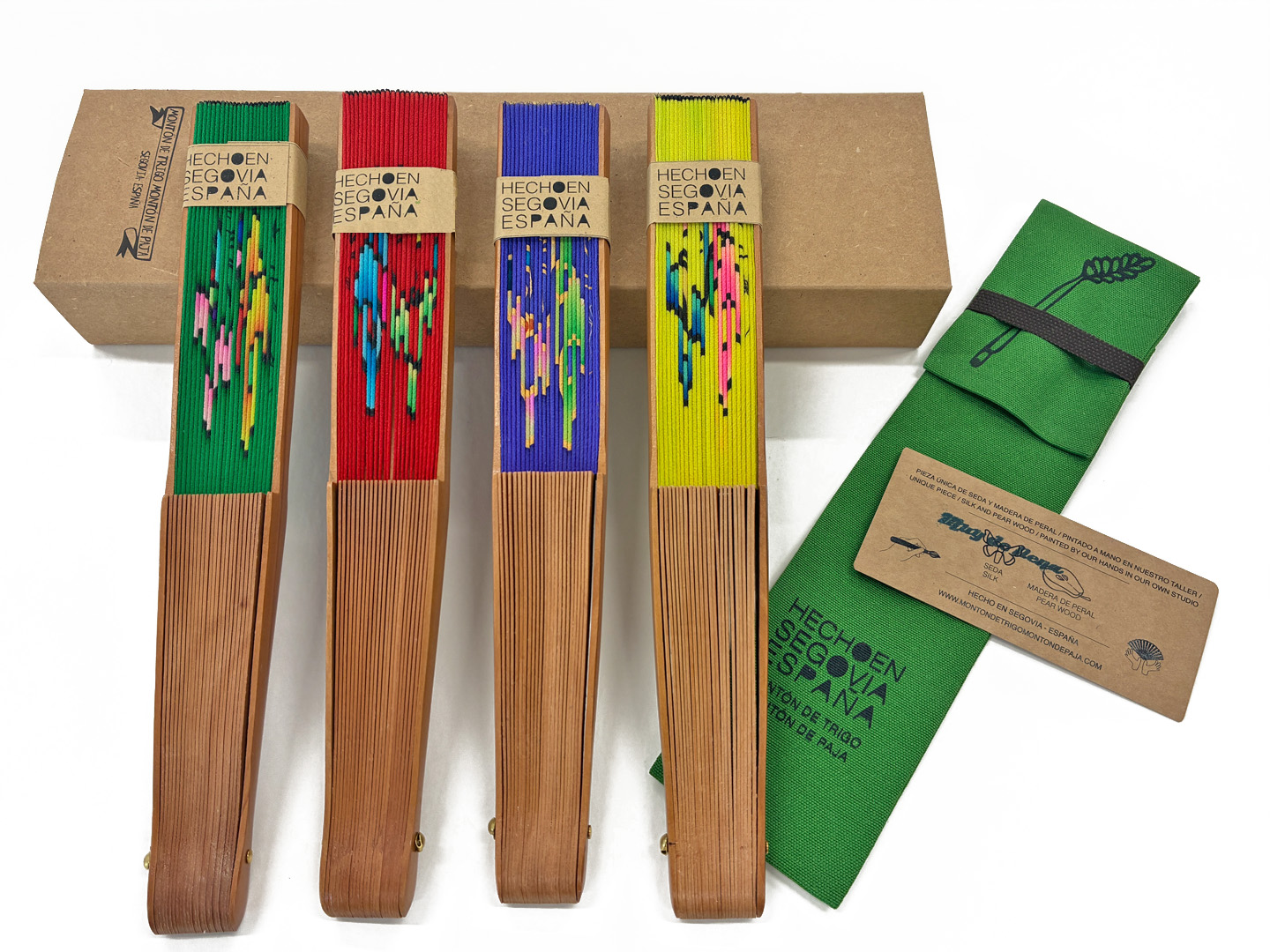
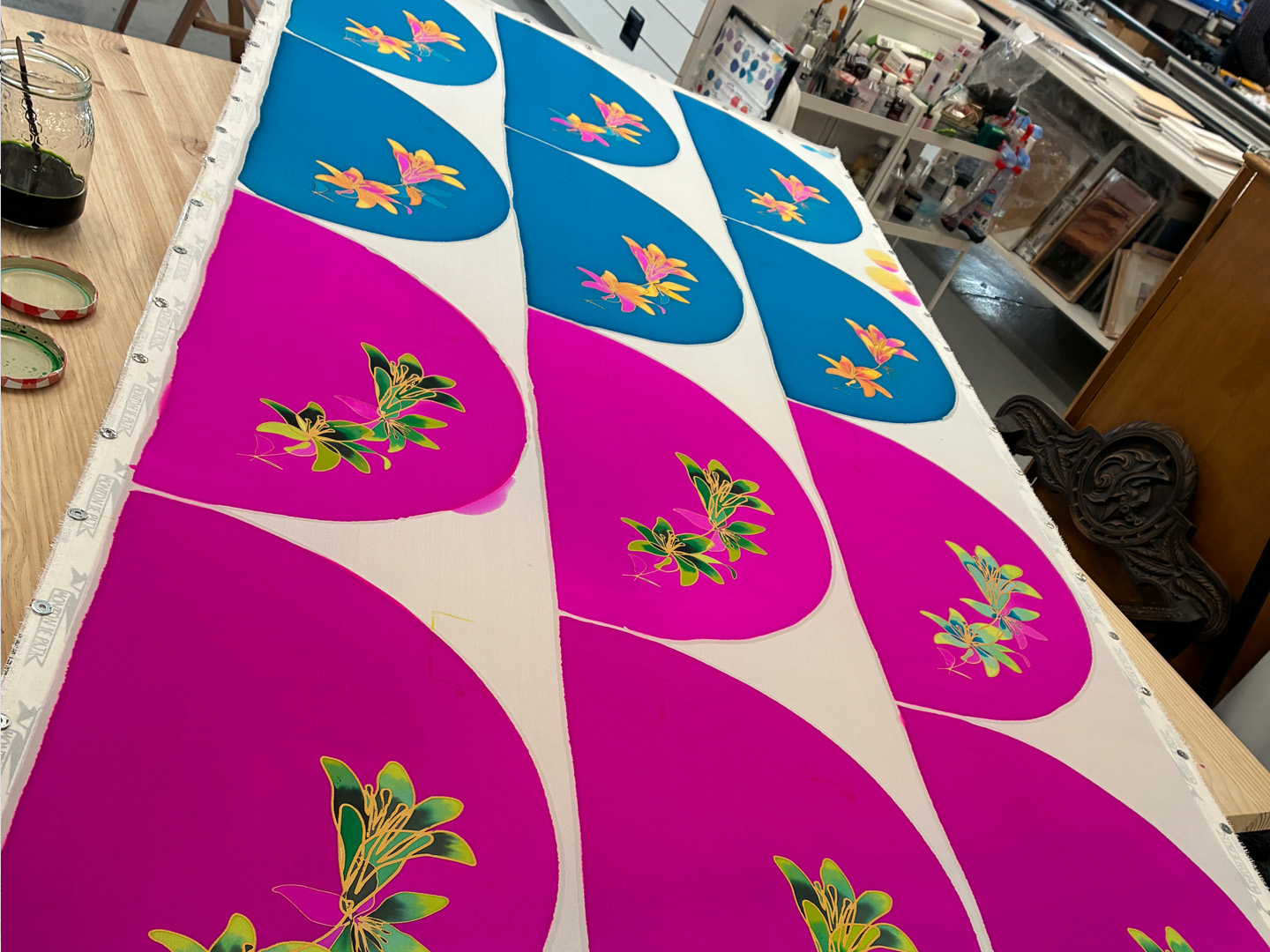
Unique hand-painted silk and pear wood fan, made in Segovia, Spain. Approximately 23 cm diameter.
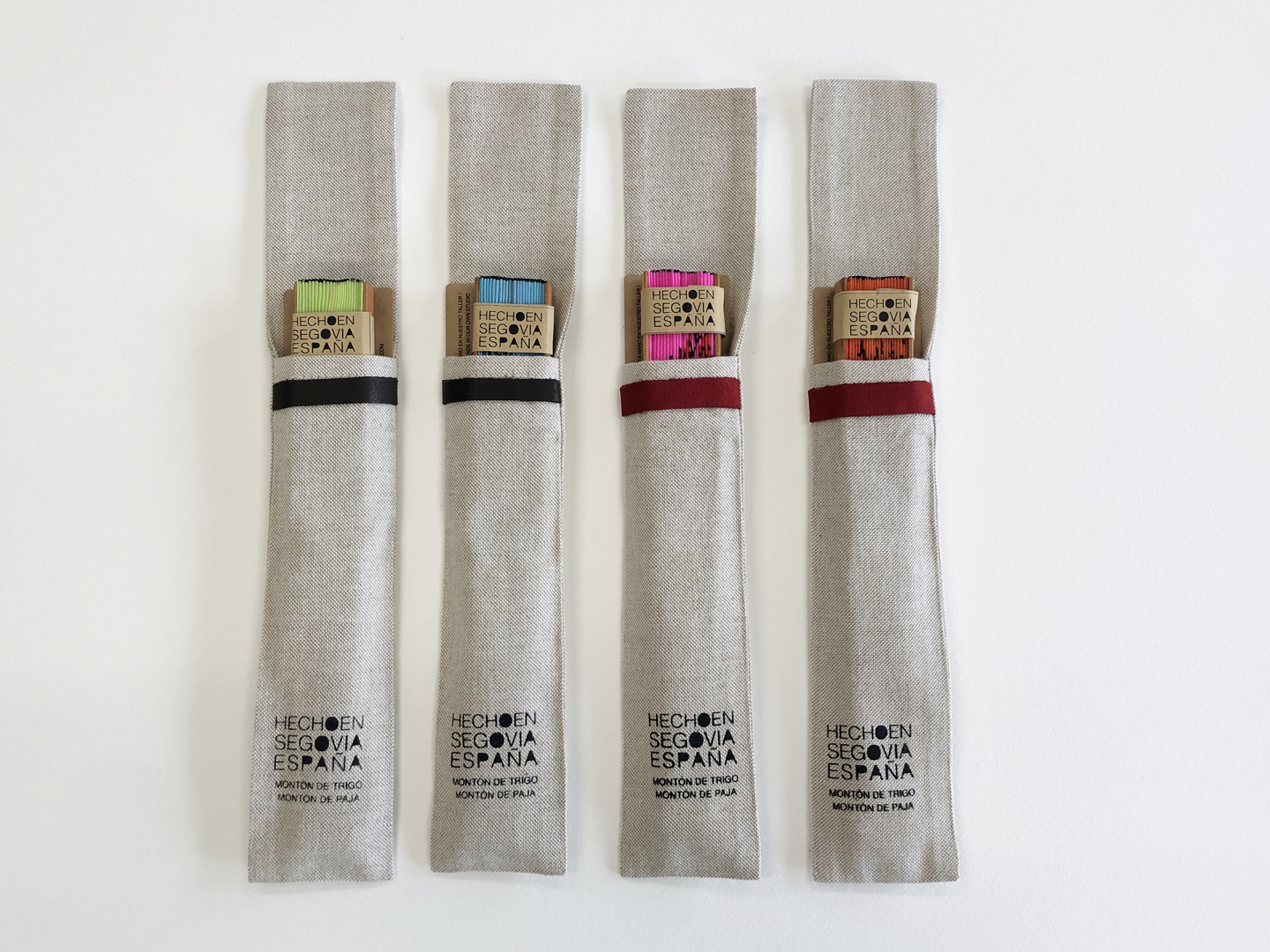
This unique piece is signed by the artist, Lucía Huertas. Any variations in color, size, or shape are a result of the handcrafted nature of this item and should not be considered defects, but rather proof of each fan’s individuality. Each fan includes a fabric case and a cardboard box.
Handcrafted in our studio in Segovia, Spain.
The fans are individually hand-painted silk and are mounted on polished pear wood. These materials are among the most prized and widely used in the making of fans in Spain. Pear wood has a very smooth feel to the touch. It is a robust yet lightweight wood, highly valued because it produces a characteristic, crisp “click” when the fan is opened with a flick of the wrist.
Natural silk is known for its softness, sheen, and durability. It is a very lightweight material, making it perfect for an accessory like a fan in constant movement. Although it may appear delicate, this fabric is surprisingly durable, meaning a silk fan can withstand frequent use without wearing out. It’s the perfect fabric for creating unique and colorful designs. Its smooth surface allows pigments to adhere evenly, resulting in vibrant colors and delicate details that don’t fade easily.
Origin and fan history
A legend places the appearance of the folding fan around the 7th century AD, attributing its invention to a Japanese maker who got the idea observing bat wings. In Europe, the folding fan appeared in the 16th century, probably by way of Portugal, a country that at that time maintained intense trade with the East.
Pictorial representations of the fan soon followed, and one of the first examples can be seen in the portrait of “The Lady with a Fan,” an oil painting created around 1570-1573 by the Spanish painter Alonso Sánchez Coello. The marriage alliances of the courts of Madrid and Lisbon spread this exotic accessory to Spain and other European capitals, where it quickly became a feminine attribute and a gallant instrument befitting high social standing.
The 18th Century was considered the golden age of the fan with the rise of the “majismo” style, it became a predominant traditional image in most of the country. The city of Valencia consolidated its position as the center of fan production in Spain, a legacy later inherited in the 20th century by the city of Aldaia.
As in other countries, Spain also developed a whole code of nonverbal communication based on the use of the fan. In this language of the fan, each movement and position had a specific meaning. For example, opening the fan and holding it close to the face could signify coquetry or interest, while closing it abruptly could indicate displeasure or disdain. Furthermore, the speed, direction, and the way the fan was held also influenced the message conveyed.
In Spain, the fan has been an emblematic element of the country’s culture and folklore since the late 19th century, playing significant practical, social, and artistic roles. Its presence endures to this day, both as a timeless fashion accessory and as a symbol of historical cultural heritage.



Reviews
There are no reviews yet.